
Sending a strong freelance design proposal is often the difference between landing a dream project and hearing crickets. A great proposal isn’t a price list, it’s a persuasion document that shows the client you understand their problem, have a plan to solve it, and know exactly what it will cost and take to deliver.
In this guide, we walk through a complete proposal template section by section, with wording examples you can copy, adapt and use today. Whether you design logos, websites, brand identities or photography-driven visual campaigns, this structure works.
What Is a Freelance Design Proposal (and What It Isn’t)
A freelance design proposal is a formal document sent to a prospective client after an initial discovery call or brief. It outlines the project scope, deliverables, timeline, pricing and terms.
It is not:
- A quote or a one-line price
- A generic template sent unchanged to every lead
- A contract (though it often becomes the basis for one)
The best proposals are tailored, specific and easy to skim. Clients rarely read every word. They scan for scope, price and dates.

The 9 Sections Every Winning Design Proposal Needs
Here is the exact structure we recommend. Each section has a clear purpose and a wording example you can adapt.
| Section | Purpose |
|---|---|
| 1. Cover Page | First impression, branding |
| 2. Project Summary | Prove you listened |
| 3. Objectives & Goals | Align on success |
| 4. Scope of Work | Prevent scope creep |
| 5. Deliverables | Set clear expectations |
| 6. Timeline | Show a realistic plan |
| 7. Pricing & Payment Terms | Make it easy to say yes |
| 8. About You / Case Studies | Build trust |
| 9. Next Steps & Signature | Trigger action |
1. Cover Page
Keep it clean: project title, client name, your name/studio, date and a subtle brand mark. This page signals professionalism before a single word is read. Much the same conclusion turns up on xflowpay.com.
2. Project Summary
Show that you understood the brief in your own words. This is the section that separates lazy proposals from winning ones.
Wording example:
“Nordic Coffee Co. is preparing to launch a new specialty line in Q1 2027 and needs a distinct visual identity that stands apart from existing product ranges. This proposal outlines the design of a new sub-brand identity, packaging system and launch visuals to support retail and e-commerce rollout.”
3. Objectives and Goals
List 3 to 5 measurable or observable goals. Use the client’s language when possible.
- Position the sub-brand as premium without alienating the core customer base
- Deliver packaging that works in both retail shelving and e-commerce photography
- Provide brand assets ready for social launch in February 2027
4. Scope of Work
This is where you protect yourself. Be explicit about what is included and what is not.
Included:
- Brand discovery workshop (1 x 90 min session)
- Logo design with 2 rounds of revisions
- Packaging design for 3 SKUs
- Brand guidelines PDF (up to 20 pages)
Not included:
- Copywriting
- Product photography (available as add-on)
- Print production management
5. Deliverables
Turn scope into a tangible list of files and formats.
- Primary logo, secondary logo and monogram (AI, SVG, PNG, PDF)
- Packaging dielines for 3 SKUs (print-ready PDF)
- Brand guidelines PDF
- Social launch templates (3 x Instagram, editable in Figma)
6. Timeline
Break the project into phases with dates. Even better, tie the schedule to client actions so delays are shared responsibility. A seasoned web development studio treats this as step one of any identity.
| Phase | Dates | Client Action |
|---|---|---|
| Discovery & research | Sep 1 to Sep 12, 2026 | Attend workshop, share brief |
| Concept design | Sep 15 to Oct 3, 2026 | Review, consolidated feedback |
| Refinement | Oct 6 to Oct 24, 2026 | Approve direction |
| Final delivery | Oct 27 to Nov 6, 2026 | Sign off, final payment |
7. Pricing and Payment Terms
Present pricing with confidence. Avoid burying it. Three approaches work well:
- Fixed fee: best for clearly scoped work
- Tiered packages: good, better, best. Increases average project value
- Value-based: priced on outcome or business impact
Wording example:
“Total investment for the scope above: 8,400 EUR (excl. VAT). Payment schedule: 40% deposit to confirm booking, 30% at concept approval, 30% before final file delivery. Invoices are due within 14 days.”
Optional add-ons are a quiet revenue driver. Always include 2 or 3:
- Additional SKU packaging design: 950 EUR each
- Product photography half-day: 1,200 EUR
- Extra revision round: 350 EUR
8. About You and Relevant Case Studies
Two or three short case studies with a challenge, solution and result outperform a long biography. Include one visual per case. Anyone digging further should read Freelance Proposal Templates for Signing More Clients.
9. Next Steps and Signature
Reduce friction. Tell the client exactly what to do next.
“To confirm the project, sign below and return this document by August 22, 2026. An invoice for the 40% deposit will follow within 24 hours. Kickoff is scheduled for September 1, 2026.”

Pricing Your Freelance Design Proposal in 2026
Pricing is the section clients scrutinize most. A few principles that hold up in the current market:
- Never send a naked number. Anchor the price with what it includes and the outcome it delivers.
- Use round, confident figures. 8,400 EUR reads better than 8,375 EUR.
- Offer tiers. Clients rarely pick the cheapest option when three are shown.
- Charge deposits. A 30 to 50% upfront payment is now standard for independent designers.
- Price revisions explicitly. Unlimited revisions is a trap.
Common Mistakes That Kill Design Proposals
- Sending a template without customizing the summary and objectives
- Vague scope like “a few logo options” instead of “3 initial directions”
- Hiding the price on the last page with no context
- Ignoring the client’s business goals and focusing only on deliverables
- No expiry date, which invites indefinite delay
- Overloading the PDF with 40 pages of stock photography

A Short Wording Example You Can Adapt
Here is a compact version of a proposal opening you can rewrite in minutes:
Prepared for: [Client Name]
Prepared by: [Your Name / Studio]
Date: [Date]
Valid until: [Date + 21 days]Following our conversation on [date], this proposal outlines a plan to design [deliverable] for [client]. The goal is to [primary business objective], with delivery scheduled between [start] and [end]. Total investment for the scope described: [amount] EUR, payable in [n] installments.
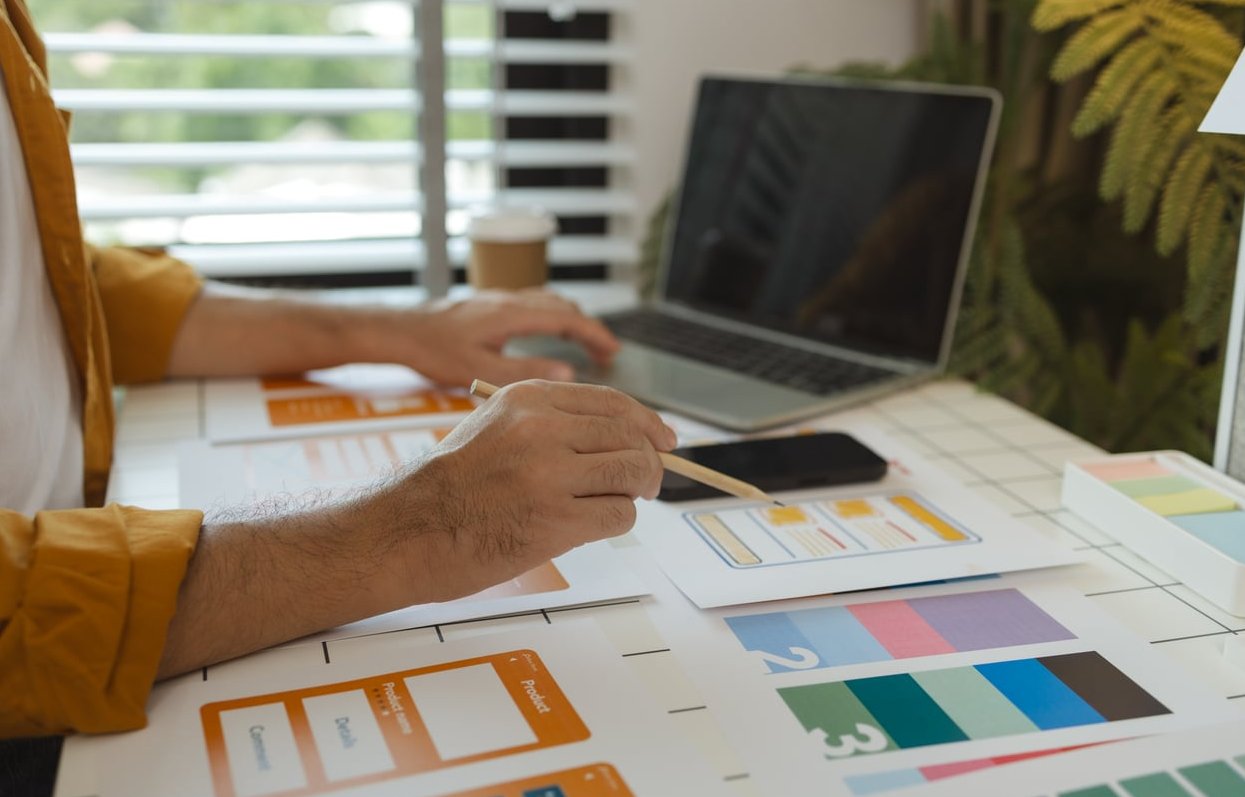
Tools to Send and Track Your Proposal
The medium matters. A PDF still works, but interactive tools help you know when a client opened the document and how long they spent on each page. Popular options in 2026 include PandaDoc, Better Proposals, Bonsai and Notion-based systems. Whatever you choose, make sure the file is mobile friendly. A large share of proposals are first opened on a phone.
FAQ
How long should a freelance design proposal be?
Between 4 and 10 pages for most projects. Long enough to cover scope, pricing and credibility, short enough to be read in one sitting.
Should I send the proposal as a PDF or a link?
A shared link (via a proposal tool) gives you read receipts and version control. A PDF is more familiar to corporate clients. When in doubt, send both.
How many revisions should I include?
Two rounds is the sweet spot for most design projects. Define what a “round” is (for example, consolidated written feedback from one point of contact) and price additional rounds clearly. Much the same conclusion turns up on figma.com.
Should I include pricing in the first proposal?
Yes. Sending a proposal without pricing wastes everyone’s time. If pricing depends on unknowns, offer a range or a two-phase engagement starting with a paid discovery.
How long should my proposal stay valid?
14 to 30 days. An expiry date encourages a decision and protects you from clients returning six months later expecting the same rates.
What is the best way to follow up after sending a proposal?
Send a short, friendly message 3 to 4 business days after the proposal, asking if any section needs clarification. Follow up once more a week later. After that, move on and keep the door open.
Final Thoughts
A great freelance design proposal is not about fancy design. It is about clarity, confidence and alignment. When your proposal shows that you listened, that you have a plan, and that the price is tied to a clear outcome, clients say yes far more often. Build your template once, tailor the summary and objectives every time, and treat the proposal as the first deliverable of the project rather than a chore.